Plank
The plank is a foundational isometric core exercise in calisthenics that trains the abs, obliques, serratus, and glutes by resisting spinal extension under load. The key to an effective plank is active scapula protraction, pushing the upper back toward the ceiling, combined with a fully braced core and squeezed glutes. Mastered with proper alignment, the plank builds the anti-extension strength that directly underpins handstands, levers, and every pressing movement in calisthenics.
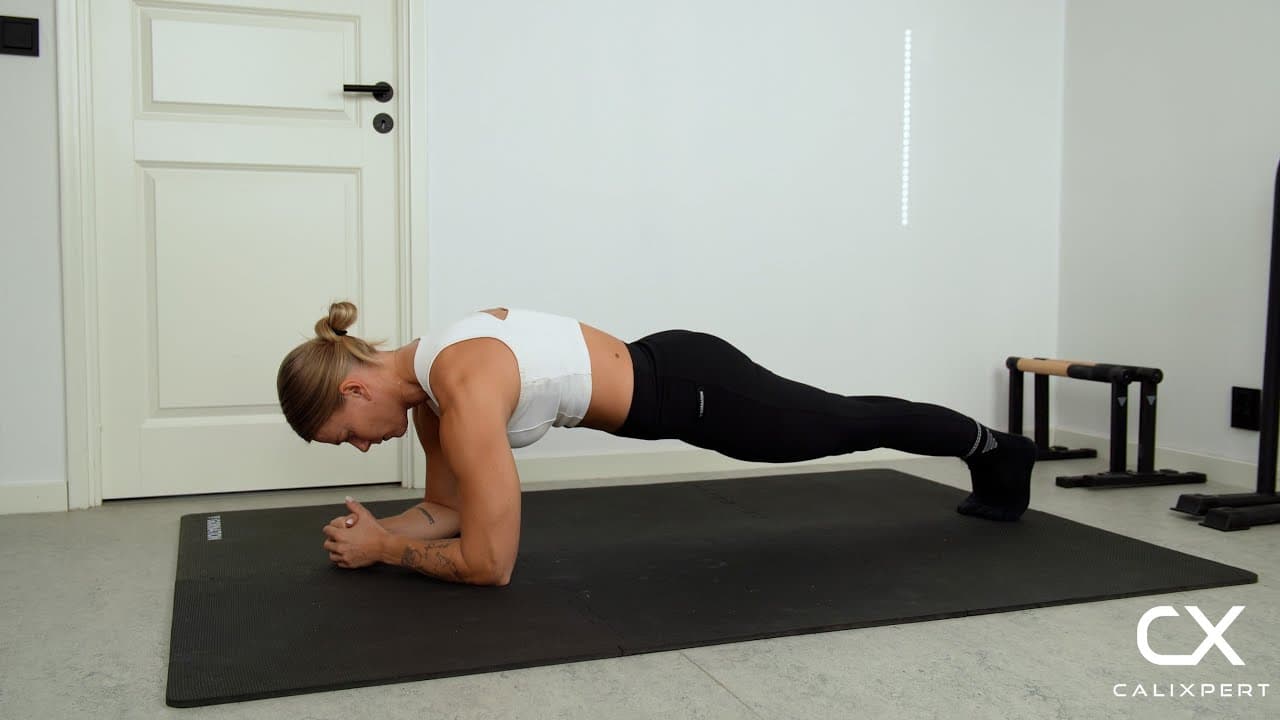
The plank is a foundational isometric core exercise in calisthenics that trains the abs, obliques, serratus, and glutes by resisting spinal extension under load. The key to an effective plank is active scapula protraction, pushing the upper back toward the ceiling, combined with a fully braced core and squeezed glutes. Mastered with proper alignment, the plank builds the anti-extension strength that directly underpins handstands, levers, and every pressing movement in calisthenics.
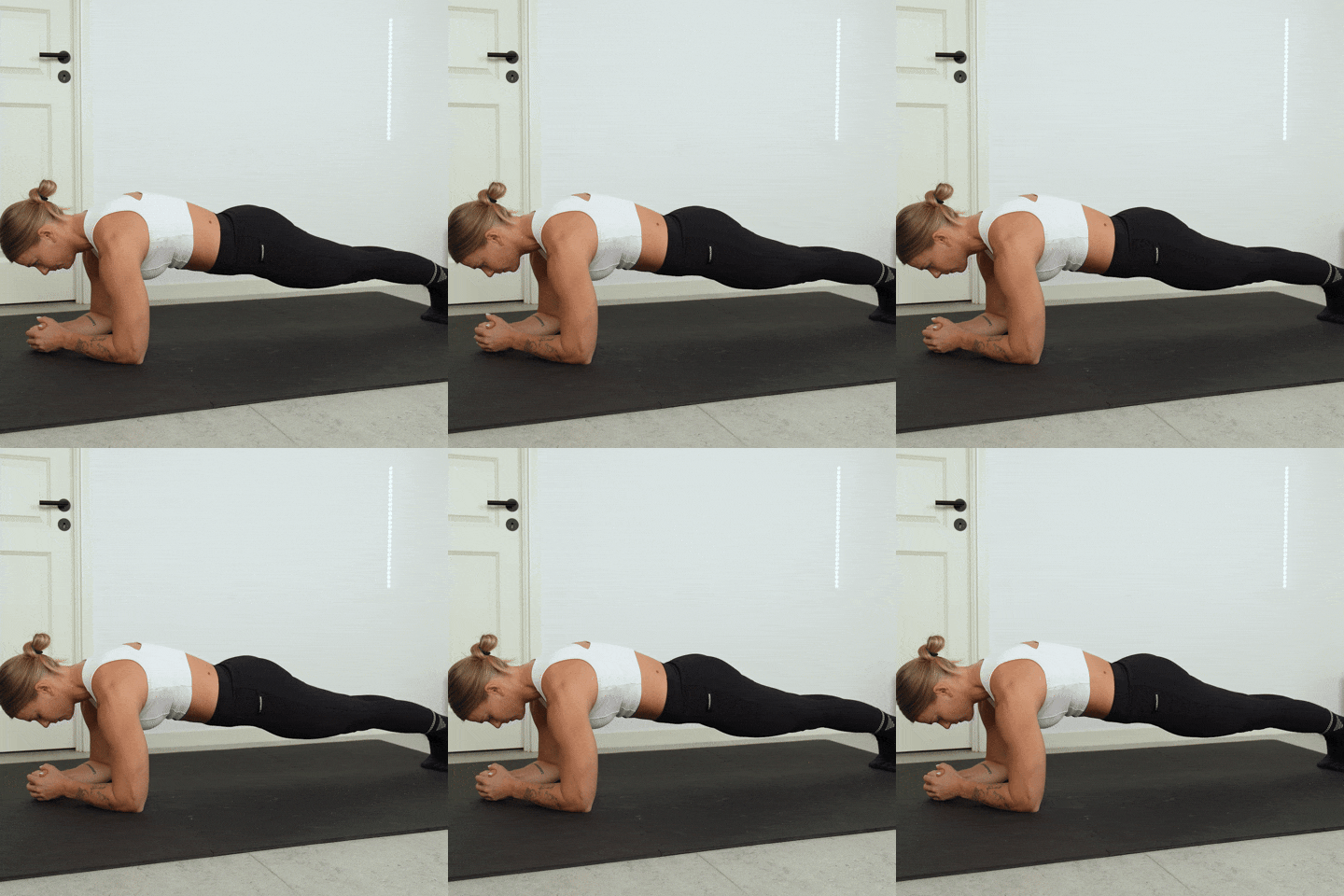
How to Do Plank
1. Set Up Your Forearm Position
Place your forearms flat on the ground with your elbows directly under your shoulders. Keep your forearms parallel to each other, roughly shoulder-width apart. Spread your fingers wide and press your entire forearm into the floor to create a stable base.
Elbows stacked directly under shoulders
2. Lift Into the Plank
Tuck your toes under and lift your hips off the ground by engaging your core and pressing through your forearms and toes. Your body should form a straight line from the crown of your head to your heels. Set your feet hip-width apart for stability.
Straight line from head to heels
3. Protract the Scapula Actively
Push your upper back toward the ceiling by spreading your shoulder blades apart. This scapular protraction is not optional. It activates the serratus anterior, locks the shoulder girdle into a stable position, and prevents the chest from sagging between the arms.
Push the upper back to the ceiling
4. Brace the Core and Posterior Chain
Draw your belly button in toward your spine and squeeze your glutes hard. This dual contraction eliminates any arch in the lower back and locks the pelvis into a posterior tilt. Your legs should be fully engaged with the quads tight and knees locked straight.
Suck in the belly, squeeze the glutes
5. Hold With Controlled Breathing
Maintain the position while breathing steadily through your nose. Do not hold your breath, as this causes unnecessary tension in the neck and spikes blood pressure. Keep your gaze slightly ahead of your fingertips with a neutral neck position. If your form breaks at any point, end the set rather than holding with poor alignment.
Breathe steady, never hold your breath
Most people treat the plank like a passive hold and just hang between their shoulders. The shift happens when you actively push the floor away with your forearms and drive your upper back toward the ceiling. Add a hard glute squeeze and you will feel your entire core light up in a way that makes 30 seconds feel like a minute.
Muscles Worked During Plank
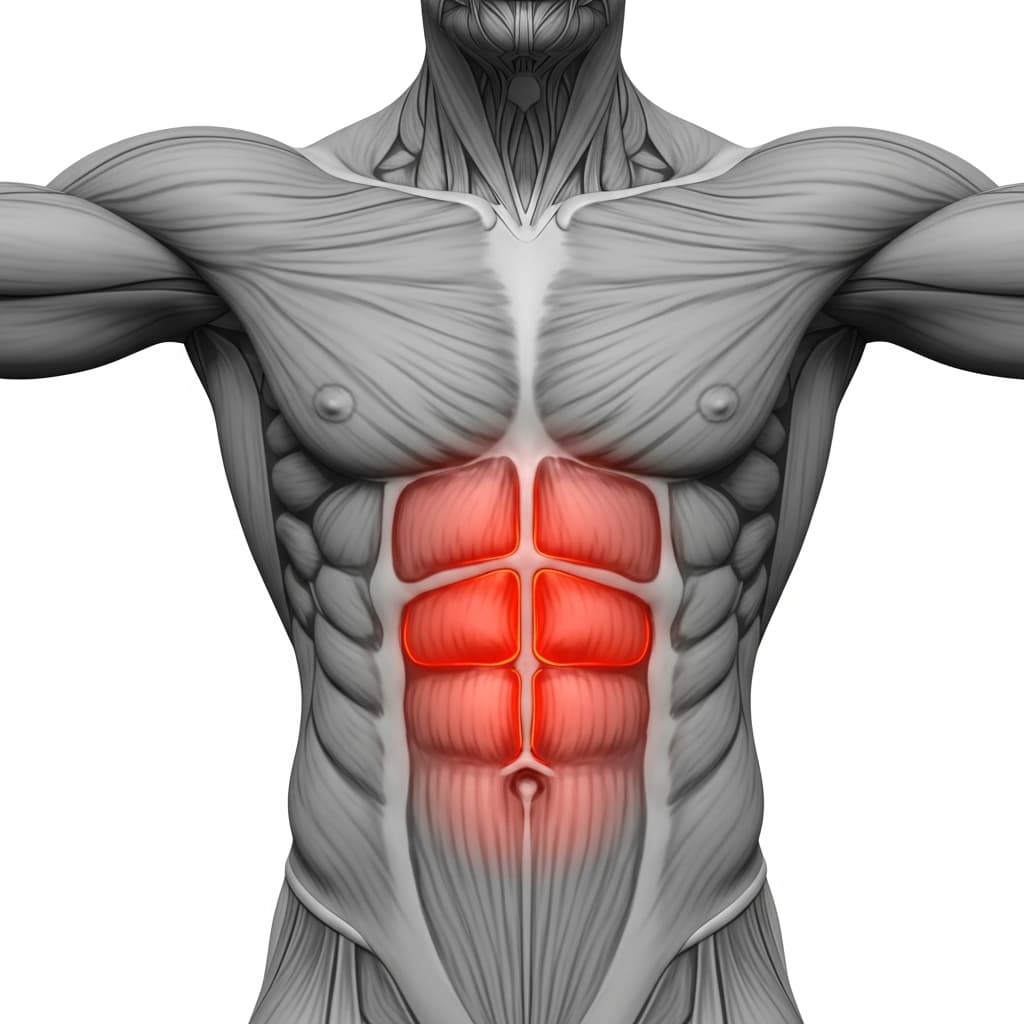
Primary Muscles:
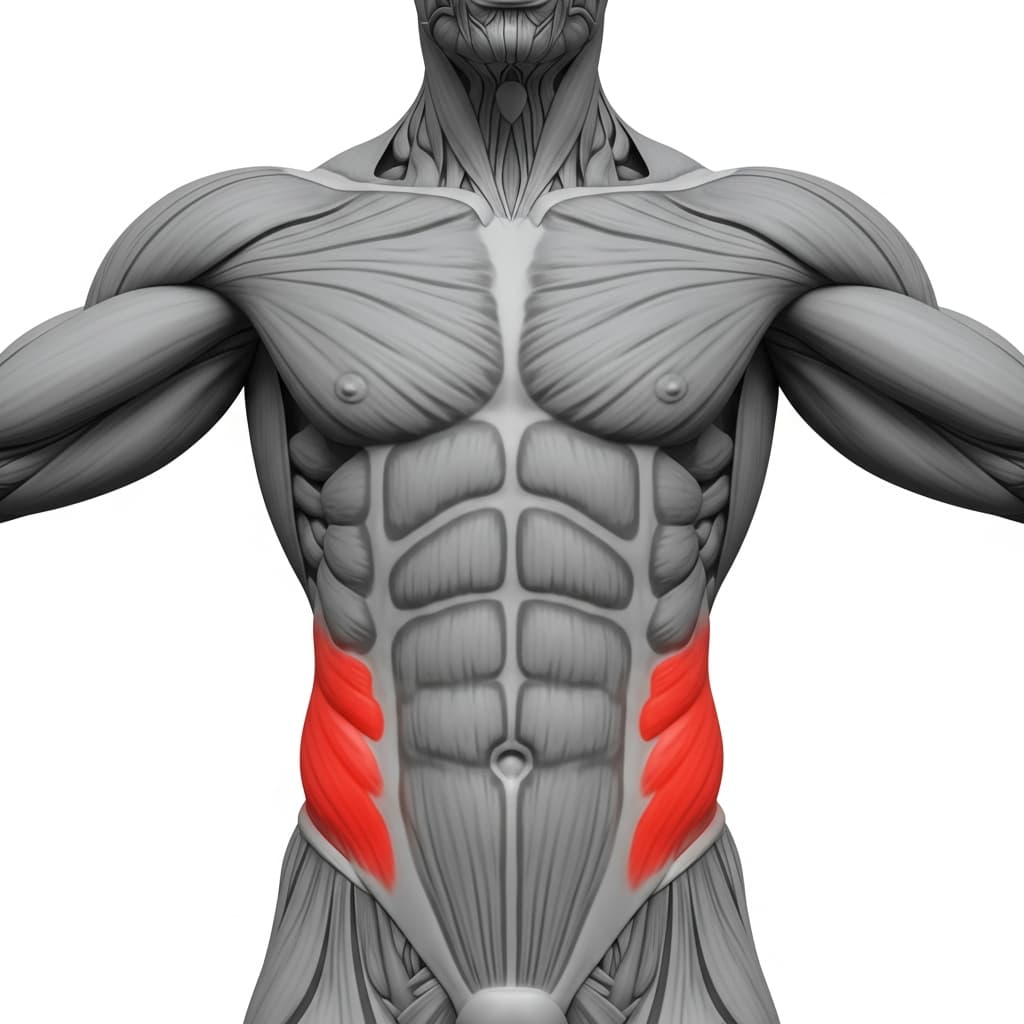
Secondary Muscles:
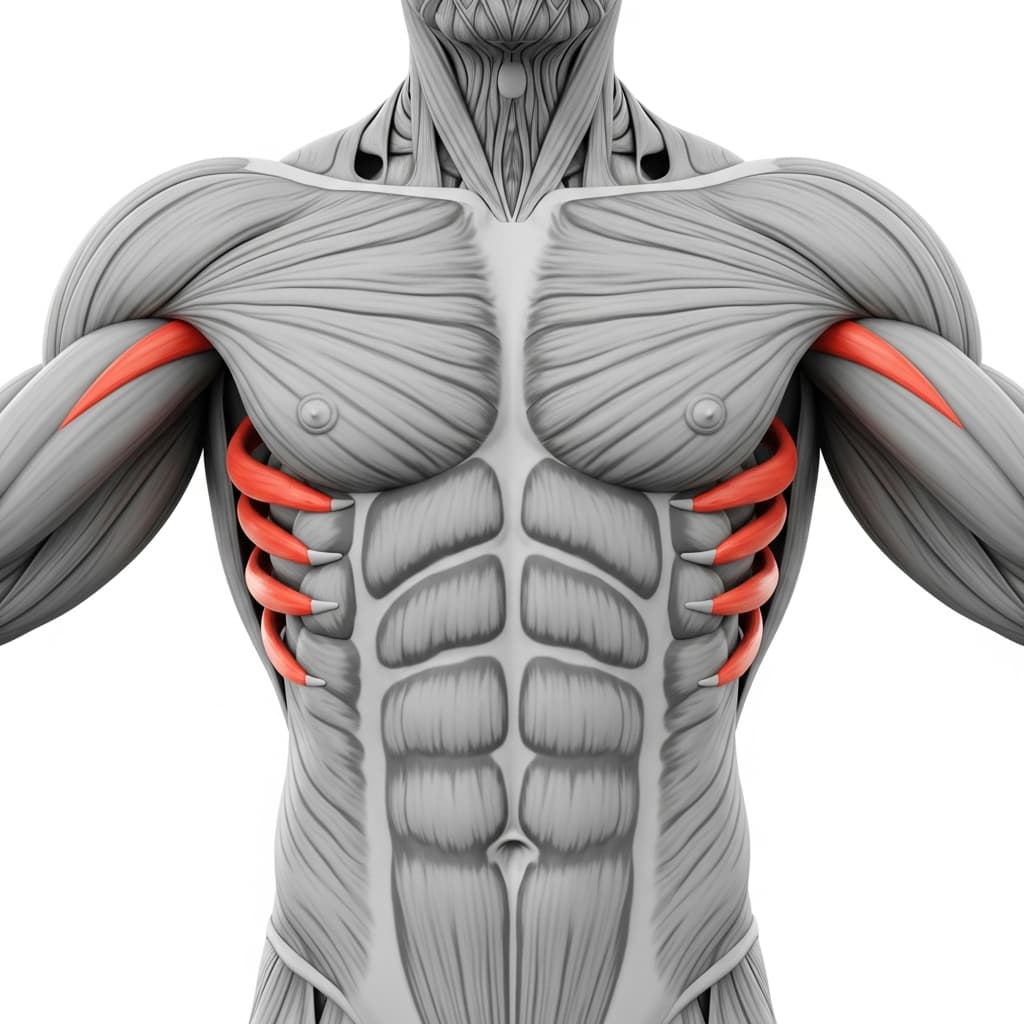
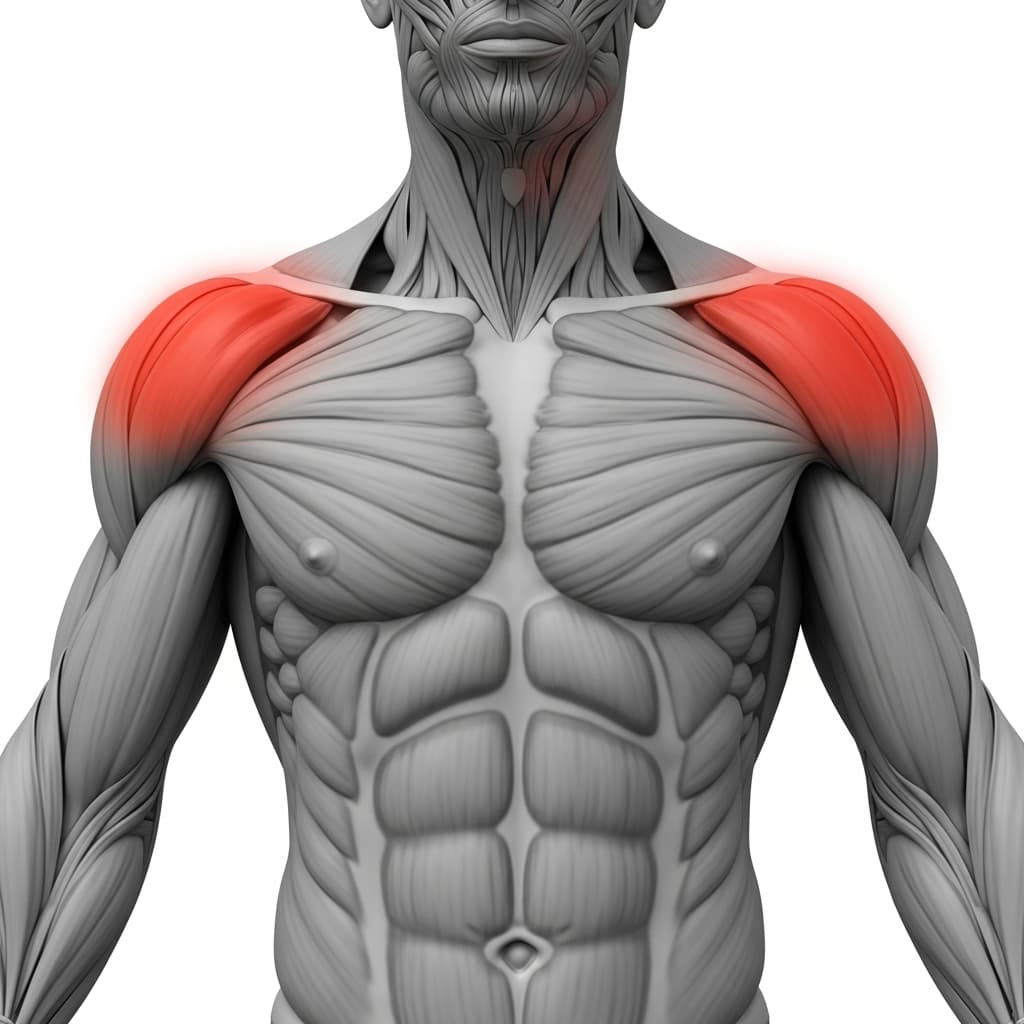
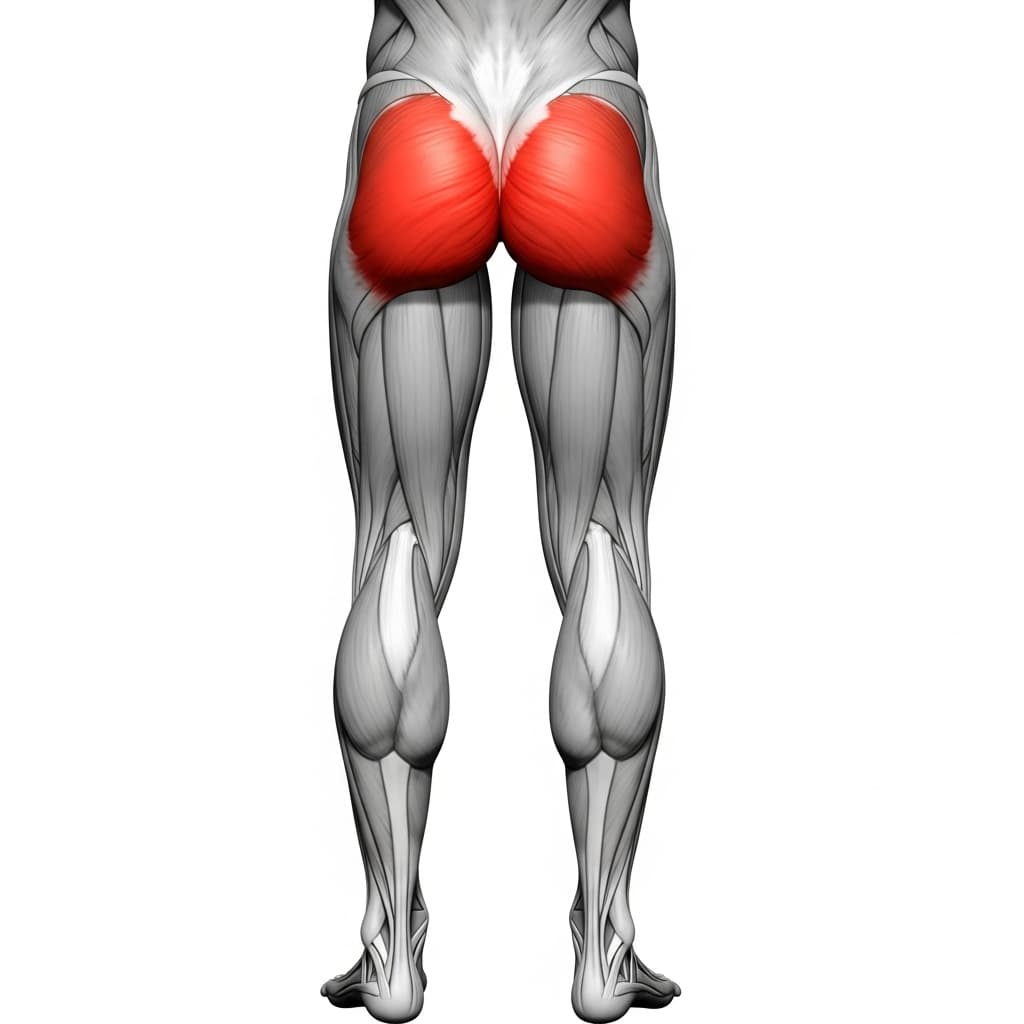
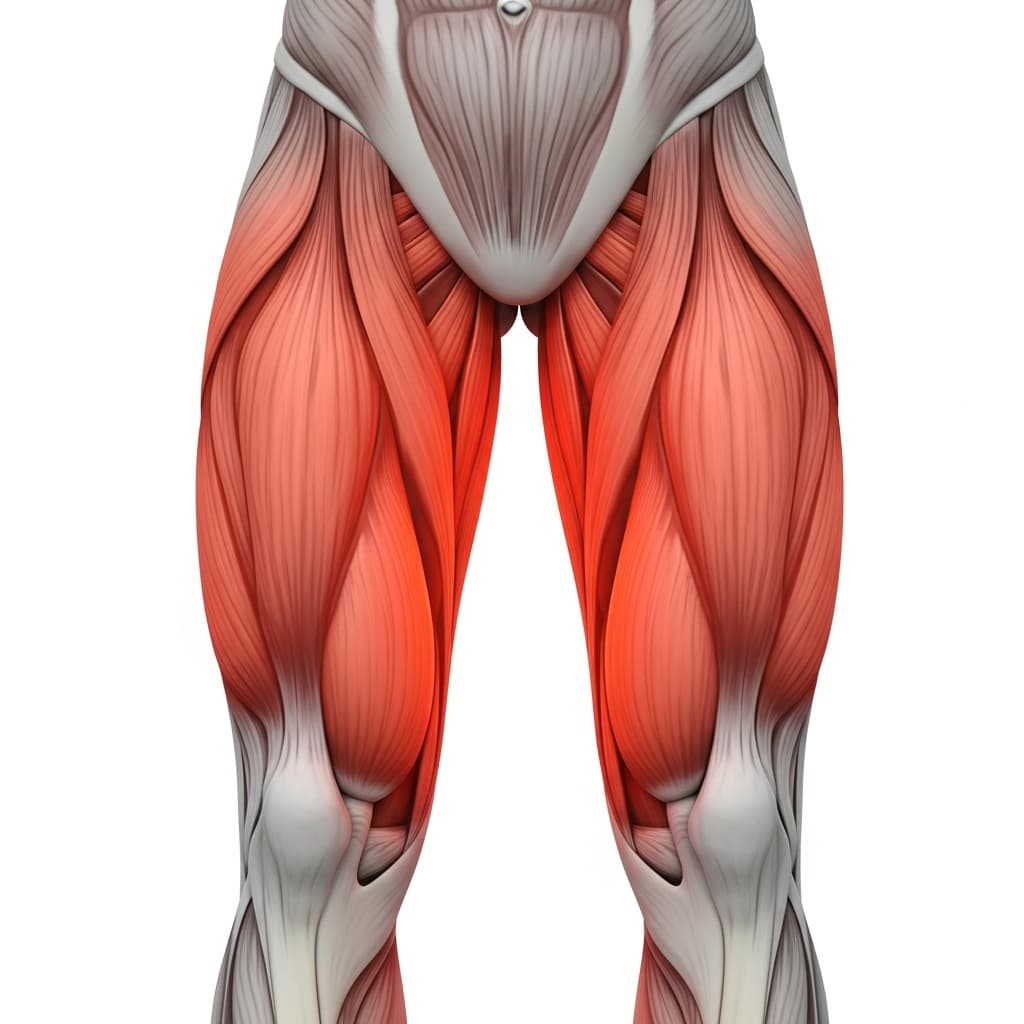
Primary Muscles
Rectus Abdominis (Abs) - The rectus abdominis works isometrically to resist spinal extension, preventing the lower back from arching and keeping the torso rigid throughout the hold.
Secondary Muscles
Obliques (Obliques) - The obliques stabilize the torso against lateral flexion and rotation, keeping the hips level and preventing the body from tilting to one side.
Serratus Anterior (Serratus Anterior) - The serratus anterior protracts the shoulder blades, pushing the upper back toward the ceiling and stabilizing the scapulae against the ribcage.
Anterior Deltoid (Front Deltoid) - The front deltoids maintain isometric shoulder flexion, keeping the upper body elevated and stable on the forearms throughout the hold.
Gluteus Maximus (Glutes) - The glutes extend and stabilize the hips, locking the pelvis into a slight posterior tilt to prevent the lower back from sagging.
Quadriceps (Quads) - The quadriceps hold the knees in full extension, maintaining the rigid straight-line position from hips to ankles.
Benefits of Plank
- Builds anti-extension core strength, the ability to resist your lower back from arching under load, which is the most transferable core quality in calisthenics
- Strengthens the serratus anterior through active protraction, directly improving scapular control for push-ups, dips, and handstand holds
- Develops full-body isometric tension, training the glutes, quads, and shoulders to brace simultaneously, which carries over to every static hold in calisthenics
- Protects the lower back by reinforcing the habit of maintaining a neutral spine under sustained load
Who Is This Exercise For?
You should be able to hold a knee plank for at least 20 seconds with a neutral spine and no hip sag before attempting the full forearm plank on feet. If your lower back arches or your hips drop within the first few seconds, strengthen your core with dead bugs and hollow body holds first.
Common Mistakes to Avoid
Hips sagging toward the floor: Squeeze your glutes and tuck your pelvis slightly under to lock the hips in line with the shoulders and ankles. If you cannot maintain this position, drop to a knee plank and build duration there first.
Hips piking too high: Bring your hips down until your body forms a straight line from head to heels. A piked plank shifts load to the shoulders and removes the core challenge entirely.
Skipping scapular protraction: Actively push the upper back toward the ceiling and spread the shoulder blades apart on every rep. Without protraction, the chest sinks between the arms and the serratus disengages.
Holding breath or shallow breathing: Breathe rhythmically throughout the hold. Holding your breath causes early fatigue, spikes blood pressure, and forces you to break form sooner than necessary.
Elbows placed too far forward: Stack your elbows directly under your shoulders before lifting into the plank. Elbows placed forward shift load onto the shoulders and reduce core activation.
Variations & Progressions
Knee Plank
Perform the plank with knees on the ground instead of toes, reducing the lever length and the load on the core. Use this variation to build up to a full plank if you cannot hold proper alignment for at least 15 seconds.
High Plank (Straight Arm)
Hold the plank on your hands with arms fully extended instead of forearms, increasing the demand on the shoulders and wrists. This variation also serves as the starting position for push-ups and planche progressions.
Weighted Plank
Place a weight plate on your upper back while holding the standard forearm plank. This adds external resistance and is the most direct way to overload the plank once bodyweight holds exceed 60 seconds.